
- Home
- Blog
- About Quality Demolition and Land Clearing
- Get a Free Estimate!
- FAQs: Land Clearing, Excavation & Demolition in Knoxville
- Demolition Services
- Land Clearing & Site Prep
- Emergency Debris Removal Service
- Tree & Brush Removal
- Excavation & Grading
- Knoxville Demolition
- Mobile Home Demolition & Removal in Knoxville, TN
- Pool Demolition & Removal Services in Knoxville, TN
- Concrete & Foundation Removal
- Dump Truck Hauling & Material Delivery in Knoxville, TN | Gravel, Mulch & Dirt
- demolition-sevierville-tn
- demolition-lenoir-city-tn
- demolition-oak-ridge-tn
- knox county demolition and land clearing
- Excavation Services Oak Ridge TN
- Excavation Services Lenoir City TN
- Excavation Services Maryville TN
- Excavation Services Loudon TN
- Excavation Services in Sevierville TN
- Excavation Services Farragut TN
- Excavation Services Seymour TN
- Excavation Services Powell TN
- Excavation Services Halls TN
- Excavation Services Karns TN
- Excavation Services Clinton TN
Ensuring Stability: How to Verify Soil Compaction
Understanding Soil Compaction
Soil compaction is a critical factor in construction and landscaping, affecting the stability and longevity of structures. Properly compacted soil provides a stable foundation, preventing issues such as settling and erosion. For engineers and builders, ensuring the right level of compaction is essential to the success of any project.
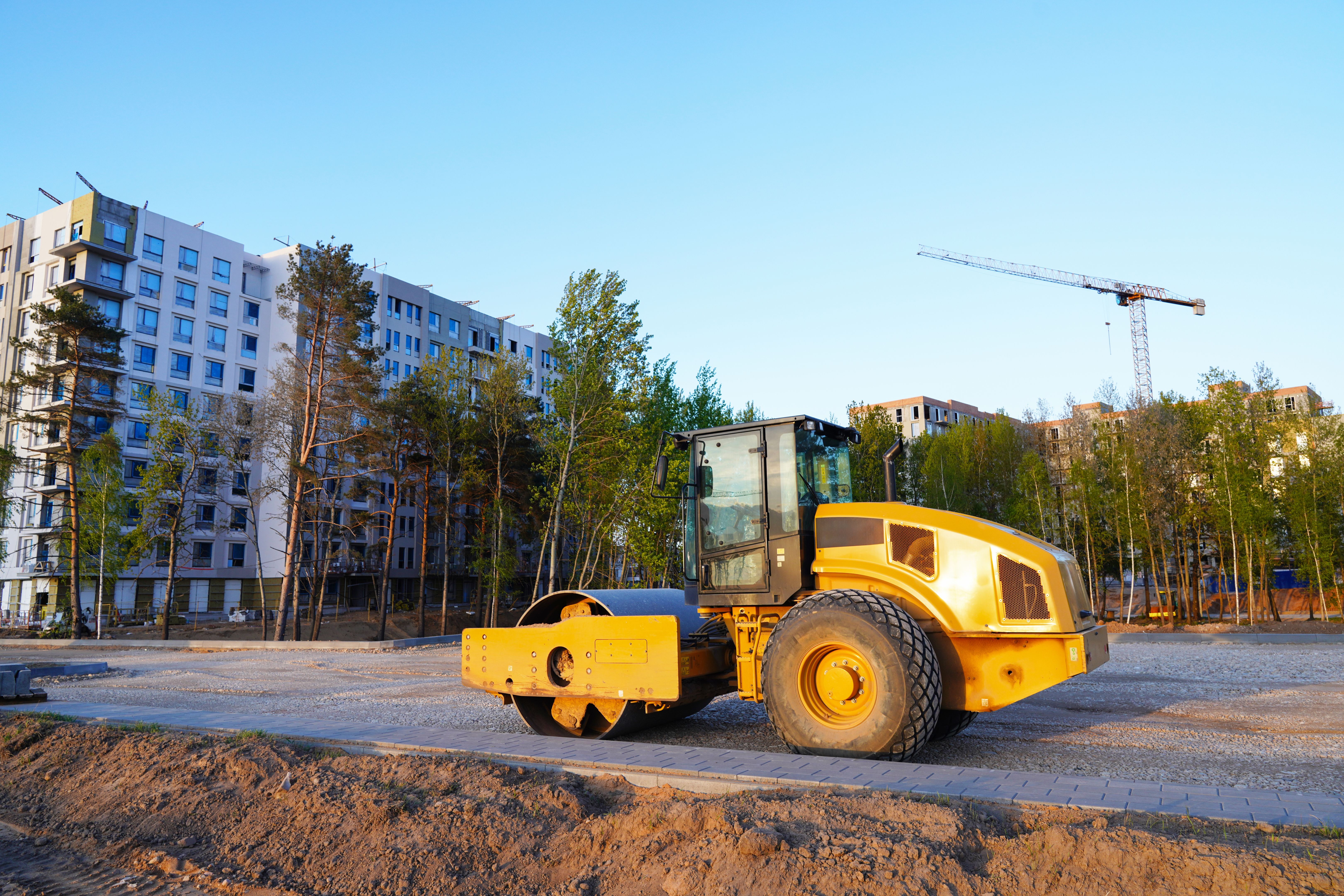
Compaction refers to the process of increasing soil density by reducing the air gaps between particles. This process is achieved through mechanical means, using rollers, vibrators, or other equipment. Proper compaction improves load-bearing capacity, reduces water seepage, and minimizes soil settlement.
Methods of Soil Compaction
There are several methods to achieve soil compaction, each suitable for different soil types and project requirements. The most common methods include:
- Static Compaction: Uses heavy machinery to apply direct pressure.
- Vibratory Compaction: Employs vibrations to rearrange soil particles.
- Impact Compaction: Utilizes a dropping weight to compact the soil.
Choosing the right method depends on factors such as soil composition, moisture content, and the desired level of compaction.
Importance of Verifying Soil Compaction
Verification of soil compaction is crucial to ensure the foundation's integrity. Without proper verification, there's a risk of uneven settling, which can lead to structural damage over time. Regular testing and monitoring throughout the compaction process help identify and rectify any inconsistencies.
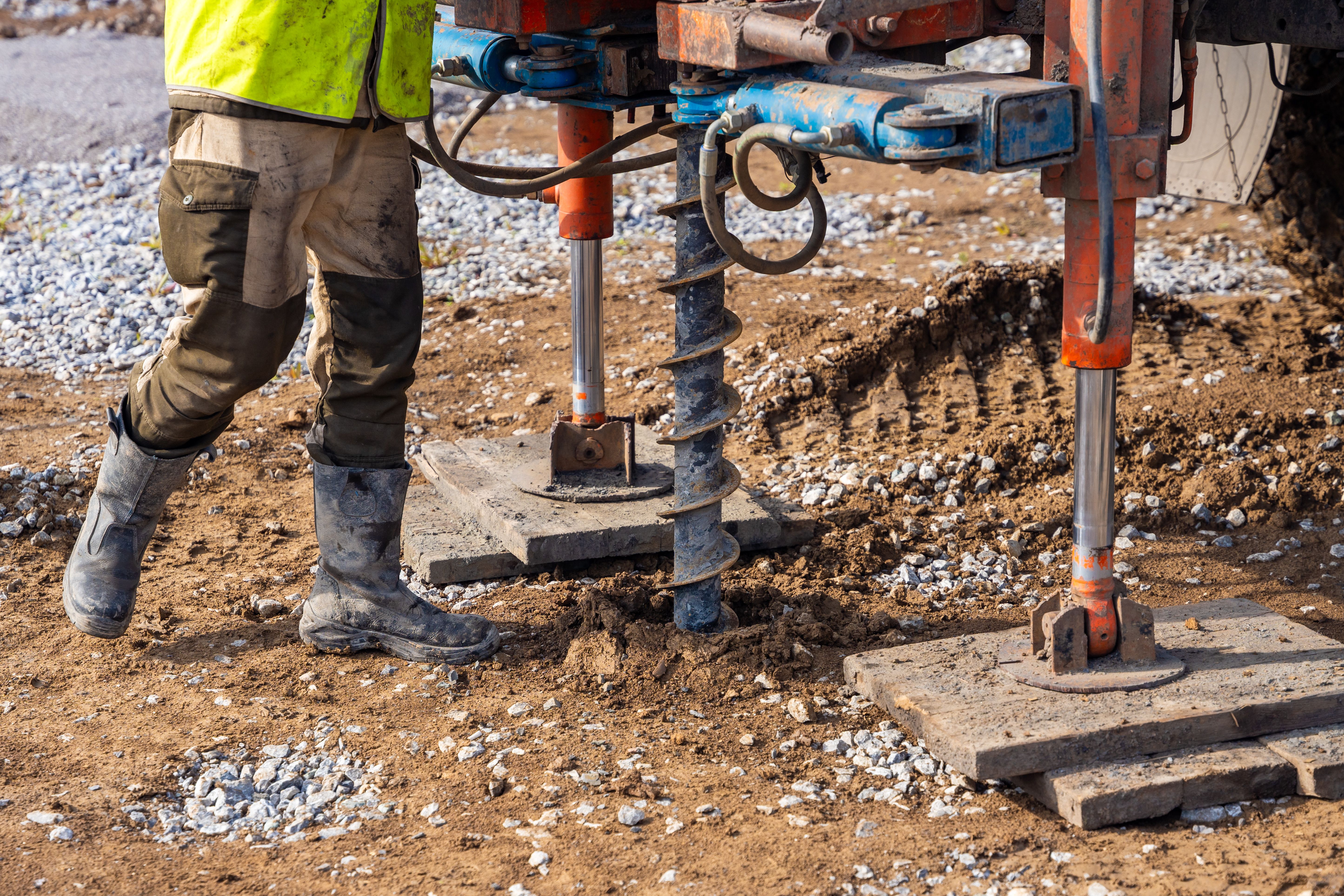
Two primary tests are commonly used to verify soil compaction:
Standard Proctor Test
The Standard Proctor Test determines the optimal moisture content at which soil can achieve maximum density. By compacting soil samples at various moisture levels, engineers can identify the ideal conditions for field compaction.
Field Density Test
The Field Density Test measures the actual compaction level achieved on-site. This test involves taking soil samples from the construction site and comparing their density to the standards established by the Proctor Test. It's a practical way to ensure that the compaction meets required specifications.

Best Practices for Soil Compaction
To achieve the best results in soil compaction, it's important to follow these best practices:
- Conduct preliminary soil analysis to understand its properties.
- Ensure the correct moisture content before compaction.
- Choose the appropriate compaction equipment and method.
- Perform regular testing and monitoring throughout the process.
By adhering to these practices, construction professionals can ensure that the soil compaction is effective and meets project specifications.
Conclusion
Verifying soil compaction is a fundamental step in any construction project, ensuring stability and longevity. By understanding the methods and importance of proper compaction, and implementing best practices, builders can avoid costly repairs and ensure the safety and durability of their structures.